
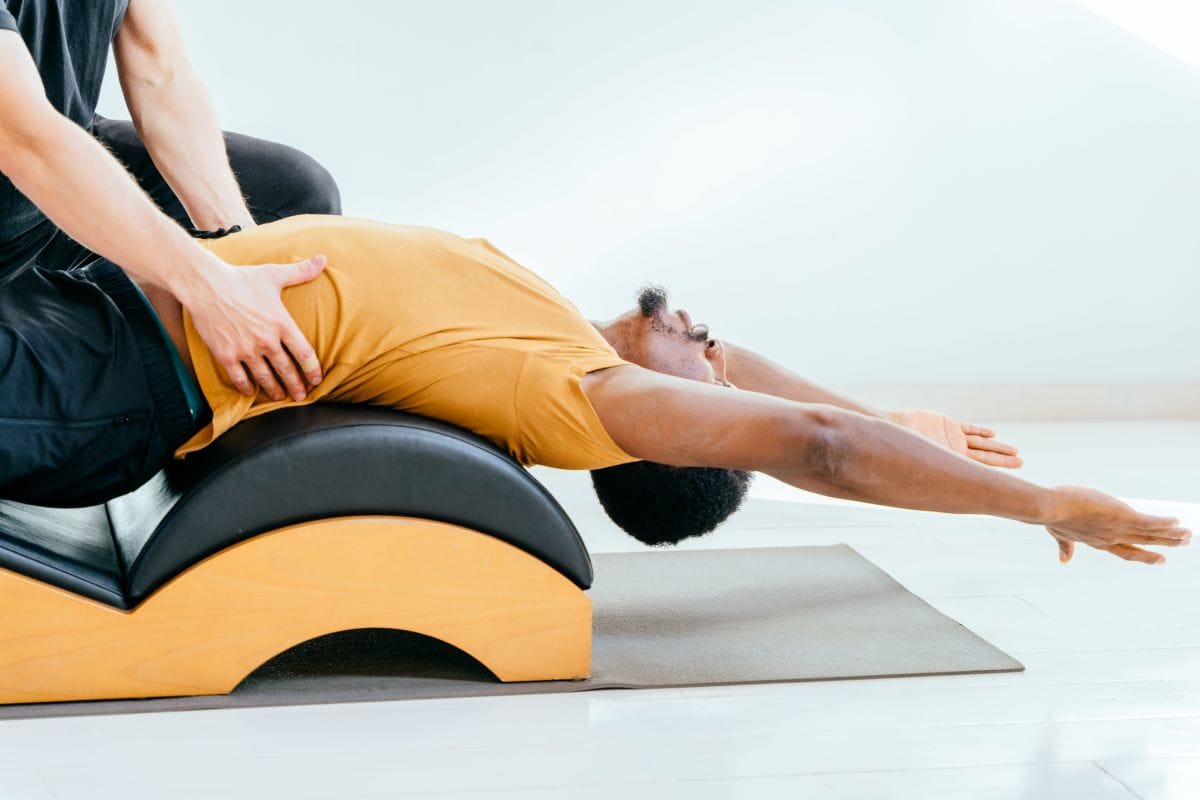
Our spinal decompression therapy helps ease the back pain that makes even the simplest daily activities feel impossible, whether it comes from long hours at a desk or chronic spinal issues.
This proven therapeutic approach helps relieve pressure on your spinal discs and nerves, offering a non-surgical path to better back health. In this guide, we’ll explore everything you need to know about safely and effectively relieving pressure on your spine.
Understanding Spinal Compression
Excessive pressure on your discs, nerves, and surrounding tissues causes spinal compression. It can build gradually or strike suddenly after an injury. Picture your discs as small shock absorbers sitting between each vertebra. Once they’re squeezed too tight, they lose their ability to cushion movement, and pain or stiffness often follows.
What Causes It
Desk work is a common culprit. Slouching or hunching for hours places uneven weight on certain areas of your back, and over time, that imbalance adds up. Age matters too: discs lose water content and height as the years pass, leaving them less able to absorb impact.
Exercise can play a role as well, especially high-intensity or repetitive movements done with poor form or too little recovery time. A fall, car accident, or sports injury can cause sudden strain, sometimes with effects that linger long after the initial event. Even certain jobs contribute to the problem, particularly ones that involve heavy lifting, long hours sitting, or repeating the same motion throughout the day.
Signs Our Spinal Decompression Therapy Could Help
Ongoing discomfort that doesn’t ease with rest or standard pain relievers is one of the clearest signals. It might show up as a dull ache or as something sharper and more sudden. Numbness or tingling that spreads into your arms or legs is another red flag, often pointing to nerve involvement.
You might also notice you’re struggling with movements that used to feel easy, like bending or twisting. Waking up stiff and staying that way for half an hour or more is worth paying attention to as well. Some people simply notice their posture has shifted, or that holding a straight, comfortable position feels harder than it used to.
What Happens During a Session
This is a non-surgical option, and it works by gently stretching the affected area using specialized equipment. The process creates negative pressure inside the disc, which can draw bulging or herniated material back into place while improving blood flow and nutrient delivery to support healing. Nothing about it is invasive, and most people find it comfortable throughout.
Your first visit starts with an evaluation. Your provider will review your history and may order imaging to confirm this approach fits your situation. From there, you’ll lie down, fully clothed, on a specialized table while a therapist secures a harness around your pelvis and another around your trunk.
A computerized system then does the work, adjusting the stretch to your specific needs. Sessions generally run 20 to 45 minutes and alternate between gentle pulling and release, which keeps everything relaxed rather than triggering resistance. Some people finish with a round of heat or ice to round out the results.
Other Therapies That Pair Well
Chiropractic adjustments, whether hands-on or instrument-assisted, help keep everything aligned between sessions. A physical therapist can build strength in the surrounding muscles and guide you through exercises that protect your progress long-term. Massage is another option worth considering, since loosening tight muscles beforehand often makes each session more effective.
The Benefits of Our Spinal Decompression Therapy
Pain Relief and Improved Mobility
Spinal decompression therapy effectively reduces both acute and chronic back pain by taking pressure off compressed nerves and discs. As your spine gradually stretches, you’ll likely notice an improved range of motion and flexibility in your daily movements. Many patients report significant severe pain reduction after just a few sessions, though individual results can vary based on your specific condition.
Enhanced Disc Health
Regular spinal decompression sessions help restore proper disc height and function by creating negative pressure within the spine. This vacuum-like effect encourages the flow of oxygen, water, and nutrients into your spinal discs, promoting natural healing. Think of it like wringing out a sponge and letting it reabsorb fresh water – your discs can better maintain their shock-absorbing properties.
Reduced Nerve Pressure
When spinal compression is relieved through spinal decompression therapy, pinched spinal nerves get a chance to heal. The increased space between vertebrae helps reduce inflammation around nerve roots, leading to decreased numbness, tingling, and radiating pain in your arms or legs. This relief can be particularly noticeable for those suffering from sciatica or herniated discs.
Long-term Spine Health
Consistent spinal decompression treatment helps maintain proper spinal alignment and prevents future compression issues. By addressing current problems and strengthening your spinal cord support system, you’re investing in your long-term spinal health. This proactive approach can help you avoid more invasive treatments down the road.
At-Home Decompression Exercises
Supporting your professional spinal decompression therapy with at-home exercises is crucial for maintaining and enhancing your progress. These exercises help strengthen the muscles that support your spine while promoting proper alignment throughout your day. Regular practice of these techniques can help prevent future compression issues and extend the benefits of your professional treatments.
Spinal Decompression Exercises
- Child’s Pose: This gentle yoga position naturally decompresses your spine while stretching your back muscles. Hold for 30-60 seconds while focusing on deep, relaxed breathing.
- Inversion Table Usage: If you have access to an inversion table, spend 2-3 minutes gradually increasing your inversion angle. Always start slowly and listen to your body’s limits.
- Cat-Cow Stretches: Alternate between arching and rounding your back while on your hands and knees. This movement helps mobilize your spine and promotes disc health.
- Hanging Exercises: Using a pull-up bar, simply hang with your feet off the ground to let gravity naturally decompress your spine. Start with 10-15 seconds and gradually increase the duration.
- Figure-4 Stretches: Lie on your back and cross one ankle over the opposite knee, gently pulling your legs toward your chest. This helps decompress your lower spine while stretching your hips.
Lifestyle Adjustments
- Maintain Proper Posture: Set up your workstation ergonomically and check your posture throughout the day. Use lumbar support when sitting and take regular breaks to stand and stretch.
- Sleep Position Optimization: Invest in a supportive mattress and sleep with proper spine alignment. Side sleepers should place a pillow between their knees, while back sleepers might benefit from a small pillow under their lower back.
- Regular Movement Breaks: Set reminders to move every hour during sedentary activities. Even brief walks or gentle stretches can help prevent compression from prolonged sitting.
- Proper Lifting Technique: Always bend at your knees, not your waist, when lifting objects. Keep heavy items close to your body and avoid twisting movements while carrying weight.
- Stay Hydrated: Drink plenty of water throughout the day to help maintain the fluid content in your spinal discs. Well-hydrated discs are more resilient to compression.
Schedule Our Spinal Decompression Therapy Today
Find lasting relief with our spinal decompression therapy at Elevated Chiropractic. This non-surgical approach helps ease pressure on your discs and nerves, supporting your body’s natural healing process.
Remember that while these techniques are generally safe, it’s important to listen to your body and work within your comfort level. If you experience any unusual pain or discomfort, consult with a healthcare professional to ensure you’re using the most appropriate decompression methods for your specific condition. Schedule an appointment with our clinic now!


